
If you see this after your page is loaded completely, leafletJS files are missing.
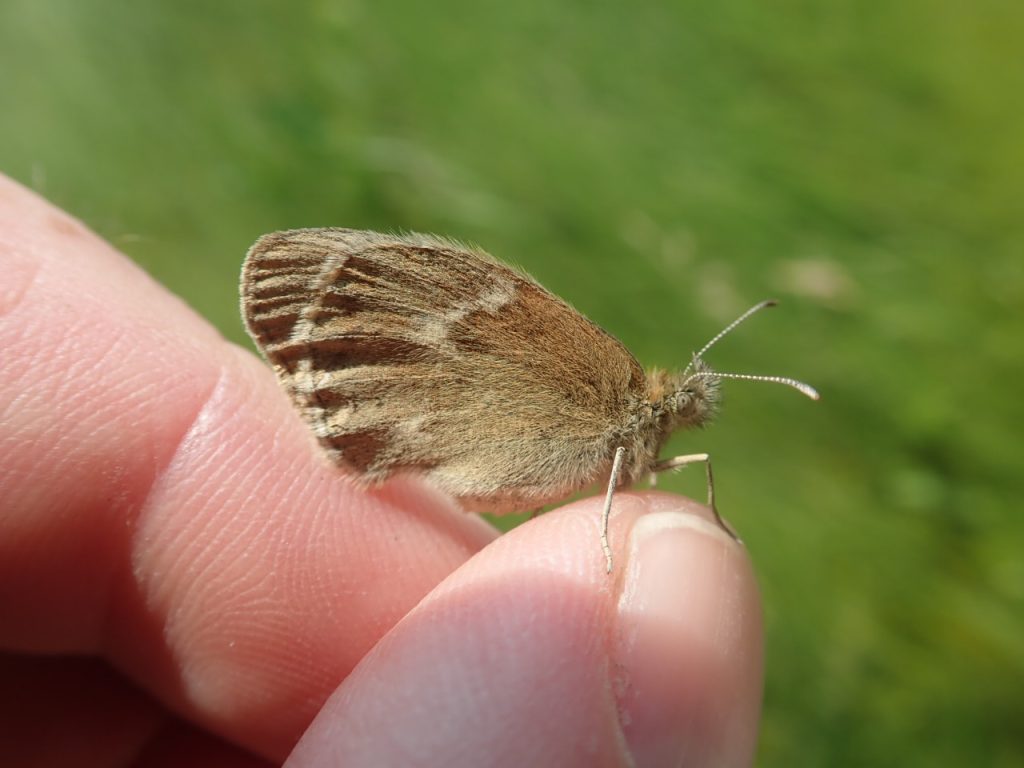
Surveys for new subpopulations of Maritime Ringlet
In summer 2025, the Atlantic Canada Conservation Data Centre surveyed for the endangered and globally rare Maritime Ringlet, a small butterfly…
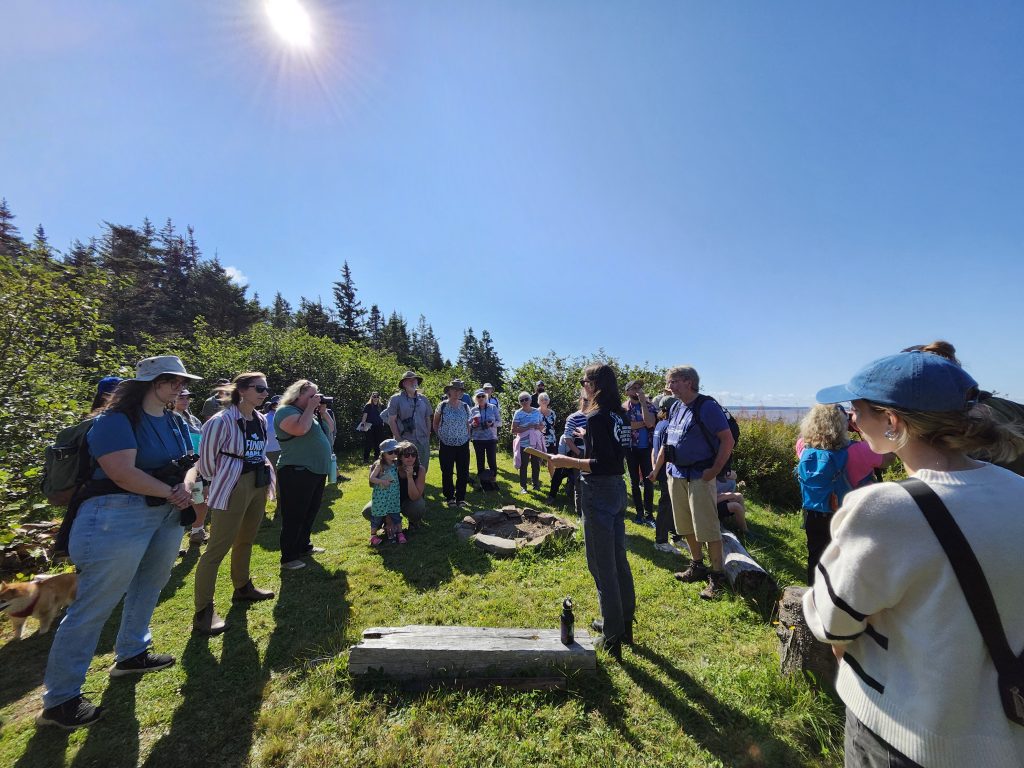
Successful collaborative nature walks to see the shorebirds!
For the past two summers the New Brunswick Chapter of the Canadian Parks and Wilderness Society partnered with the Nature Conservancy…
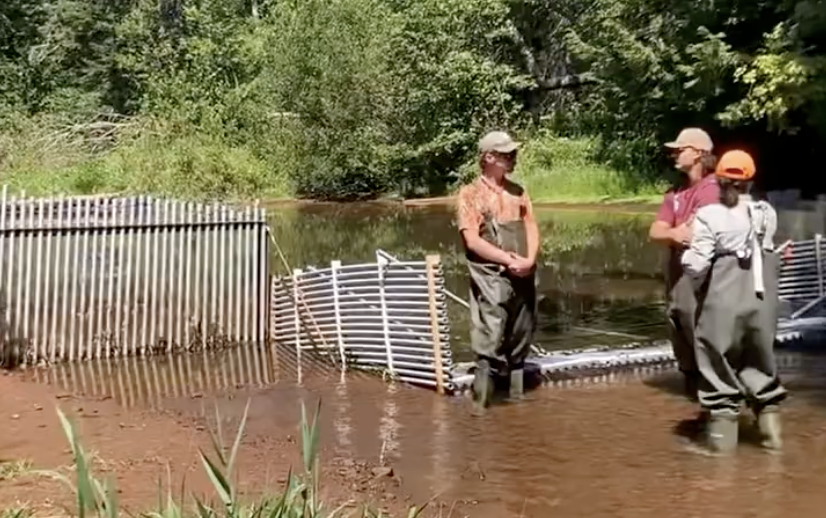
New tech for aquatic wildlife monitoring on PEI’s West River! – River Watcher
The Central Queens Wildlife Federation, supported by the PEI Watershed Alliance, has installed a River Watcher system on the West River…
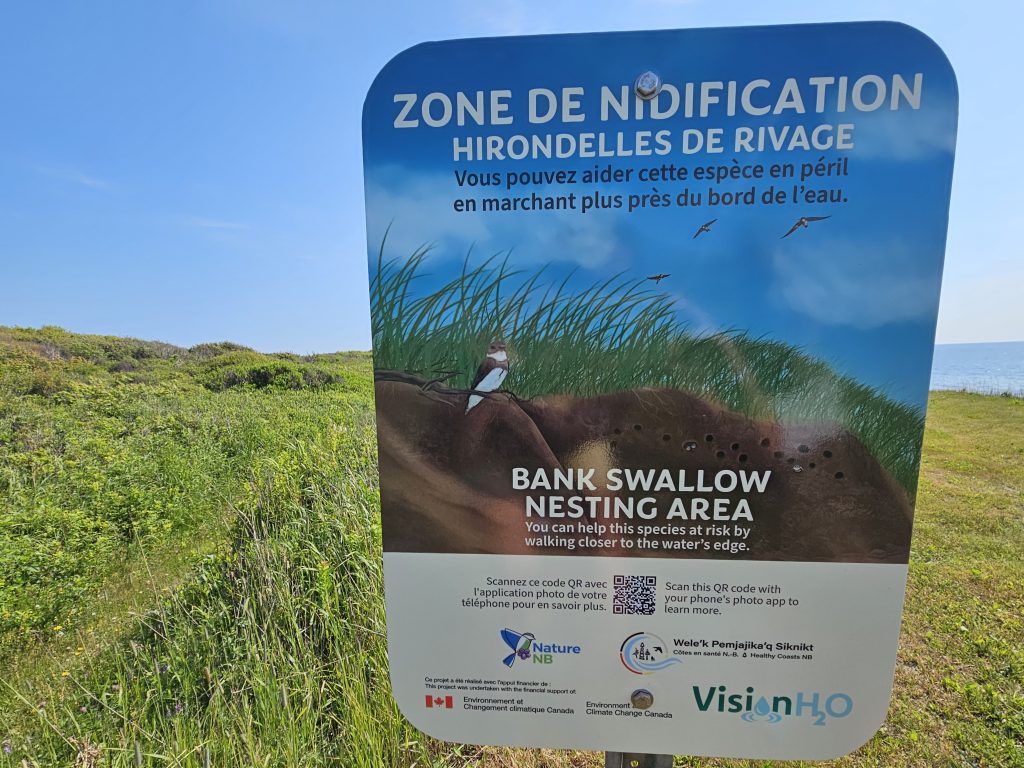
Coastal protection and restoration in Cap-Acadie
Thanks to this funding, Vision H2O had the opportunity to monitor the Bank Swallow population along our coastline. This work allowed…
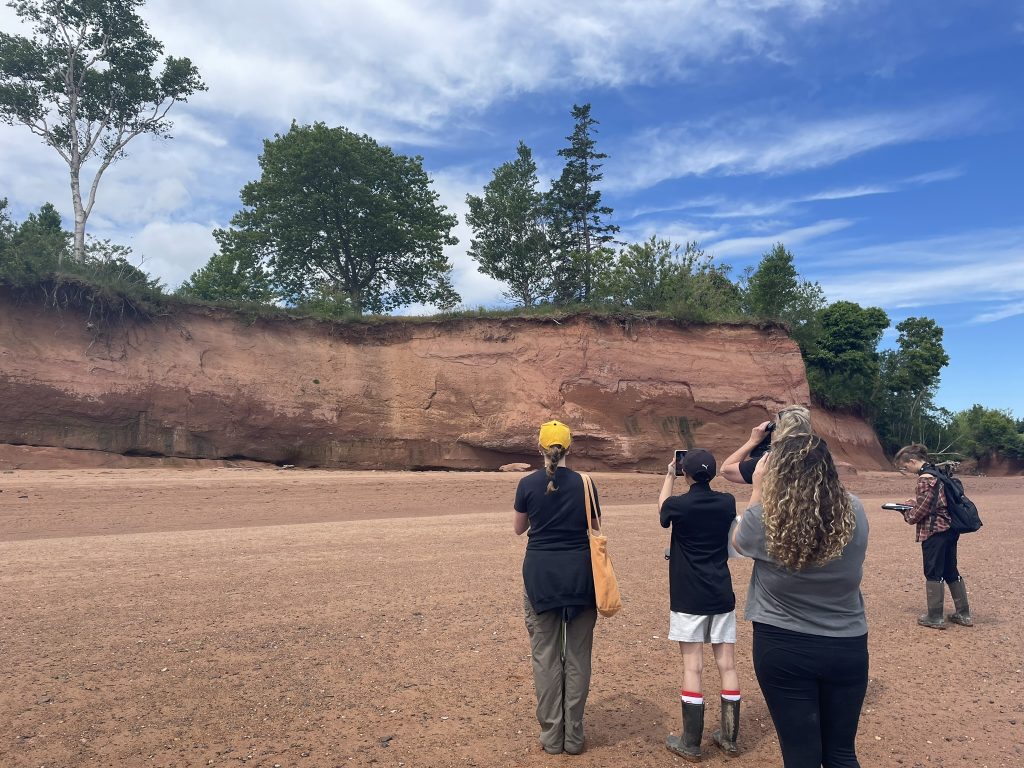
Atlantic Canada Bank Swallow Monitoring Project
In an effort to stop the decline of Bank Swallow populations, Birds Canada, along with partners in an Atlantic Canada Bank…

Neighbors for Bats: Collaborative Conservation for Species at Risk
Mersey Tobeatic Research Institute Bats are vital for healthy ecosystems, yet their populations in Atlantic Canada have declined drastically. Through our…
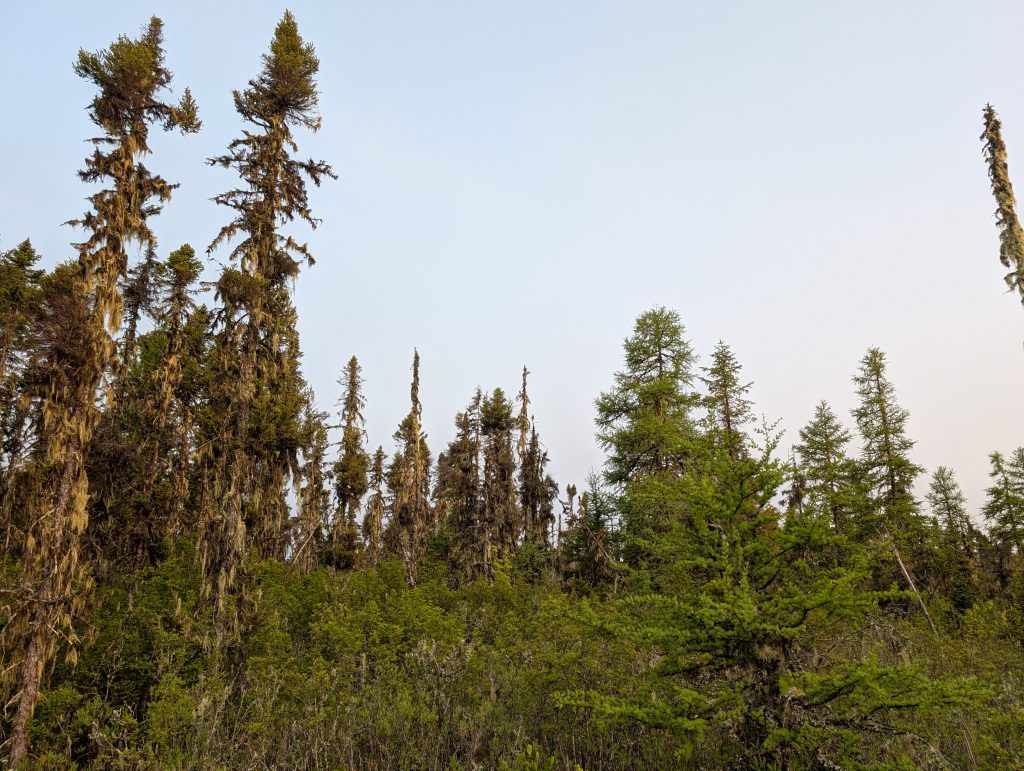
Woodlands for Wildlife Program
Mersey Tobeatic Research Institute Through the Woodlands for Wildlife program, over 500 hectares of private woodlands in Kespukwitk have been protected…
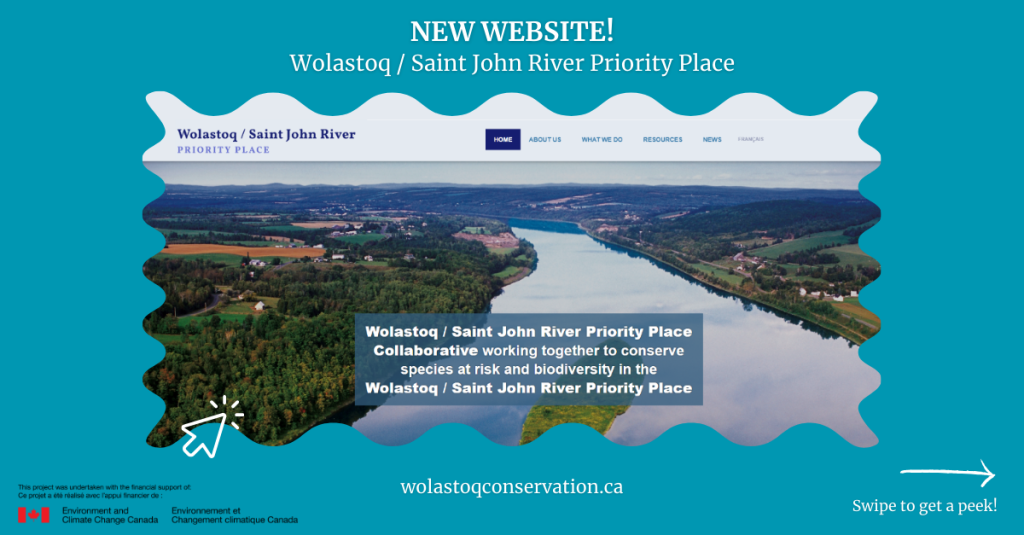
New website for the Wolastoq / Saint John River Priority Place!
By New Brunswick Environmental Network Discover the beauty and importance of this incredible ecosystem and learn about conservation efforts to protect…
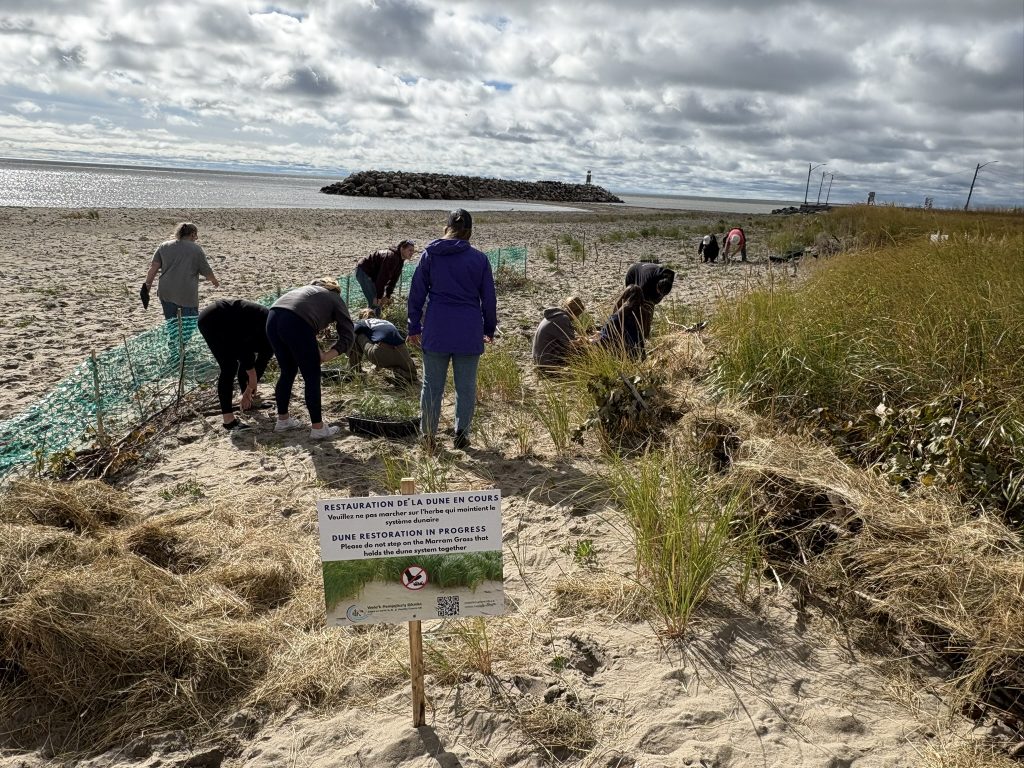
Planting Marram Grass to Restore the Gulf of Saint Lawrence’s Coastal Dunes
In Pointe-Sapin, Miscou and other areas of the province with degrading coastal sand dune systems, partners have been busy planting and…
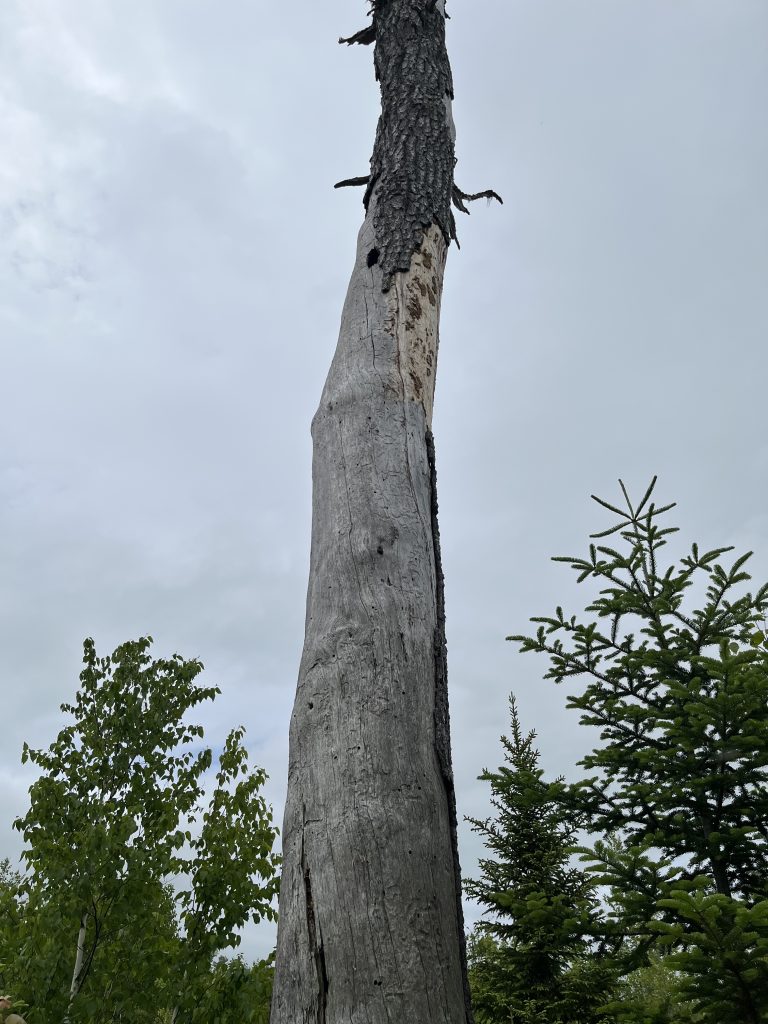
Conserving Chimney Swift Nesting Habitat
Did you know that Chimney Swifts are nesting in our forests and need our help to conserve their nest sites? Through…
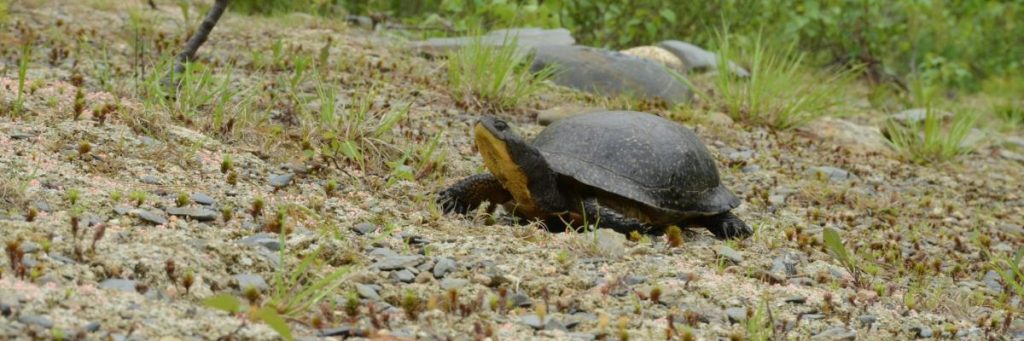
Tiny Survivors – Blanding’s Turtles and the Mersey Tobeatic Research Institute
Against all odds, Blanding’s turtle hatchlings are emerging in Nova Scotia this year. Volunteers spent hours covering nests during one of…